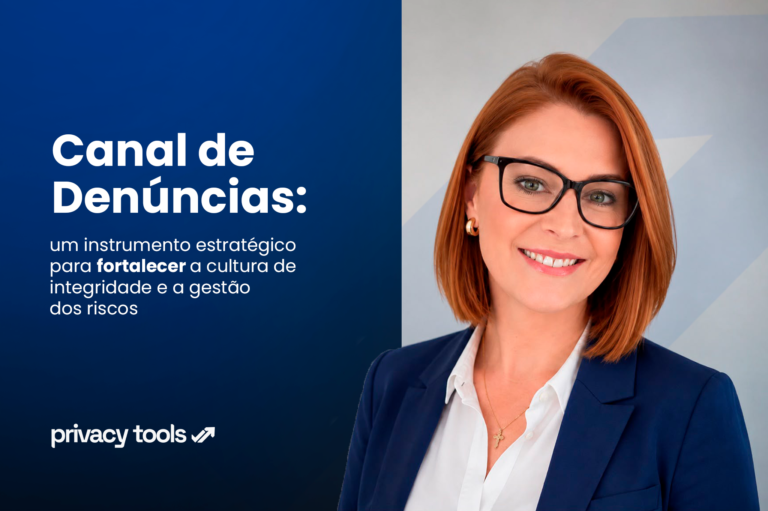
In recent years, the whistleblower channel It has ceased to be seen merely as a compliance requirement and has become one of the main risk prevention mechanisms within organizations.
The numbers show this evolution. According to the KPMG survey "Hotline Profile in Brazil 2025," 93% of participating companies have a whistleblowing channel, and 84% consider the tool effective in preventing, detecting, and remedying irregularities. The challenge now lies in the quality of management of these channels and the trust they can convey to users.
Far more than just receiving reports of irregularities, a well-structured channel allows for the identification of problems before they escalate into major crises, protecting people, preserving the company's reputation, and strengthening a culture based on ethics and trust.
Although often associated with issues such as fraud and corruption, a modern whistleblowing channel has a much broader scope. It can be used to report situations related to moral or sexual harassment, discrimination, conflicts of interest, misconduct, violations of internal policies, information security incidents, privacy violations, and even concerns involving the inappropriate use of artificial intelligence.
Regardless of size, every company is subject to risks arising from inappropriate behavior or non-compliance with internal and external regulations. In many cases, the first signs of these problems are noticed by the employees themselves, suppliers, partners, or customers.
Without a safe and reliable channel, people who could support the start of an investigation end up choosing silence, allowing relatively simple situations to escalate into lawsuits, regulatory fines, financial losses, or significant reputational damage.
An effective whistleblowing channel provides a safe environment where anyone can communicate a concern securely, confidentially, and, when desired, anonymously.
When integrated into governance processes, the channel ceases to be merely a reactive mechanism and begins to act as an important source of intelligence for risk management.
Many situations related to privacy violations can come to the organization's attention through individuals, such as: improper sharing of personal data, unauthorized access to sensitive information, non-compliance with internal policies, among others.
By integrating the whistleblowing channel into its privacy governance, the organization significantly expands its ability to identify risks that would be difficult to detect through technological controls alone.
Thinking precisely about this evolution, the Privacy Tools It now offers a dedicated feature for managing complaints, allowing the entire process to be conducted within the same platform used to manage other privacy governance processes.
The feature was developed to provide a simple experience for those making a complaint and, at the same time, offer managers the necessary resources to conduct the process in an organized, secure, and traceable manner.
This allows organizations to transform reports into concrete actions, strengthening their compliance, privacy, and risk management programs.
More than just receiving complaints, the real value lies in the ability to transform this information into continuous improvement, protection of the organization, and strengthening of governance.
Want to know all the features of Whistleblowing Channel module? Click here and ask for a demonstration.