A Privacy Tools It supports retailers in transforming cookies, consents, and loyalty programs into relationships of trust, with agile service for customers exercising their rights.
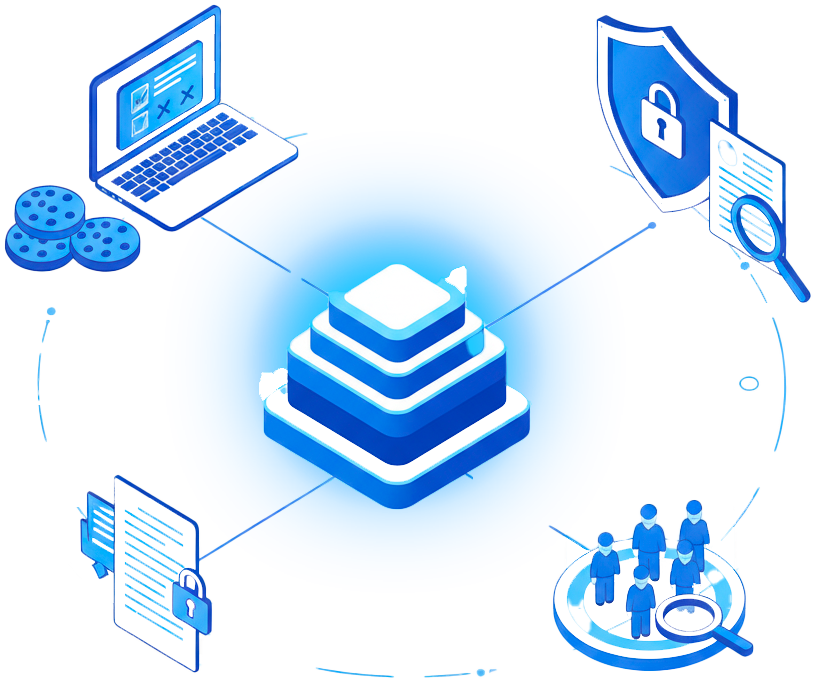
The retail industry thrives on customer data: registrations, purchase history, browsing history, loyalty programs, campaigns, and customer service. LGPD It requires a legal basis for each use, valid consent for cookies and marketing, quick responses to data subjects, and extra care with partners who receive data, such as e-commerce platforms, logistics, and payment methods.
A Privacy Tools It centralizes the cookie banner with automatic blocking, the registration of consents integrated with sales channels, customer service through the Privacy Portal, the mapping of marketing activities, and the evaluation of partners, with evidence for audits and for the Consumer Protection Agency (Procon).
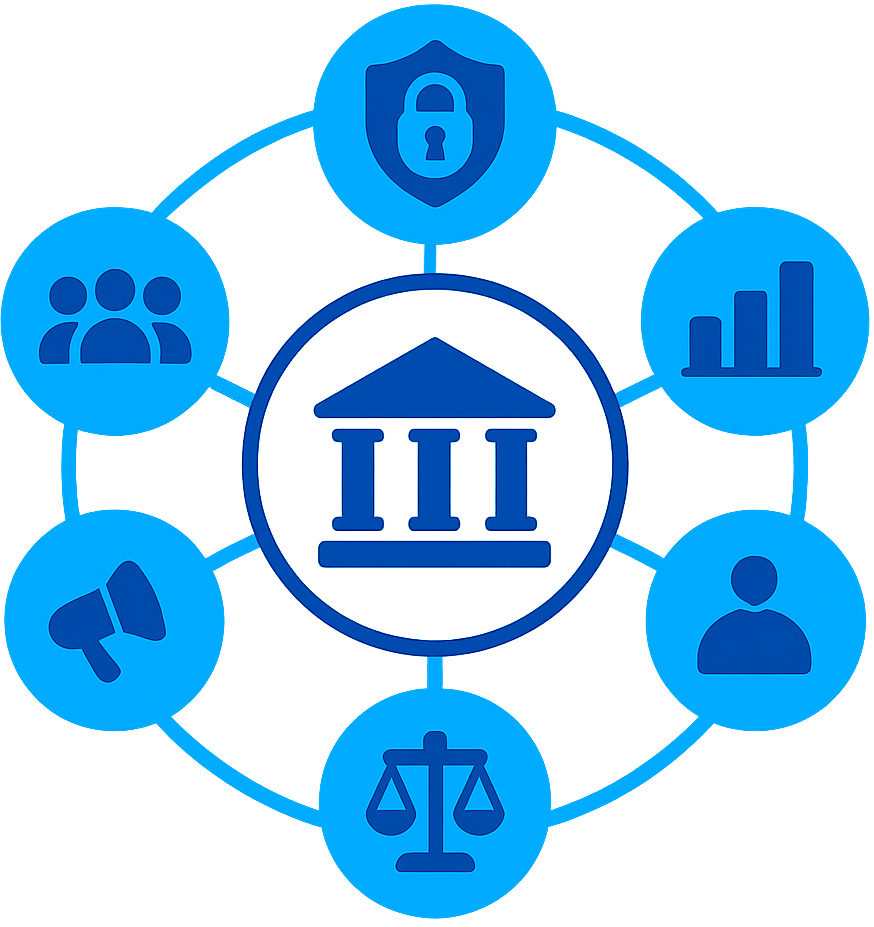
The retail industry thrives on customer data: registration, purchase history, browsing history, loyalty programs, campaigns, customer service, and delivery. LGPD It requires a legal basis for each use (articles 7 and 11), free, informed and specific consent for what depends on it (article 8), assessment of legitimate interest when that is the basis (article 10), transparency about cookies and trackers on the website and in the application, consumer rights (article 18) and care with data of children and adolescents (article 14). ANPD Guide on Cookies The Consumer Protection Code completes the rules, and stores that sell to Europe fall under this category. GDPR.
Pixels and media tags triggered before consent; loyalty registrations used for undisclosed purposes; customer databases shared with partners without legal basis; unsubscriptions that do not propagate to all tools; and customer service provided via email, without authentication or a timeframe.
A Linx[Company Name], a leader in retail management software, adopted the platform to automate processes and act as a data operator for its clients, with on-premise customization and data discovery. MillsWith over 9 clients, it has unified consents, risk assessment, and day-to-day processes. See also the guide on... How to know if your website complies with the LGPD (Brazilian General Data Protection Law).
It depends on the chosen and documented legal basis: legitimate interest (article 7, IX) can support offers of related products, with evaluation (LIA) and an easy opt-out option; consent is necessary for purposes that the customer would not expect. Data Mapping records the database and Consent Management records the choices.
Media and analytics tags only fire after consent is given. In return, the organization receives evidence of each choice and avoids data collection without a legal basis, which is a regulatory risk. The module integrates with tag managers and platforms such as VTEX and WordPress.
Yes. The revocation is recorded in the Consent Management system and propagated via API to the CRM and integrated marketing tools, with date and time for verification.
When they process your customers' data on your behalf, yes, and the retailer is responsible for what they do. Third-Party Risk Management assesses and documents these partners.
Article 14 of the LGPD (Brazilian General Data Protection Law) requires the best interests of the child and adolescent and, for children, specific consent from a parent or guardian. Registrations and campaigns must take this into account, and Consent Management records the consent of the responsible party.
Request a demo from our team and see the platform in the context of your retail operation.