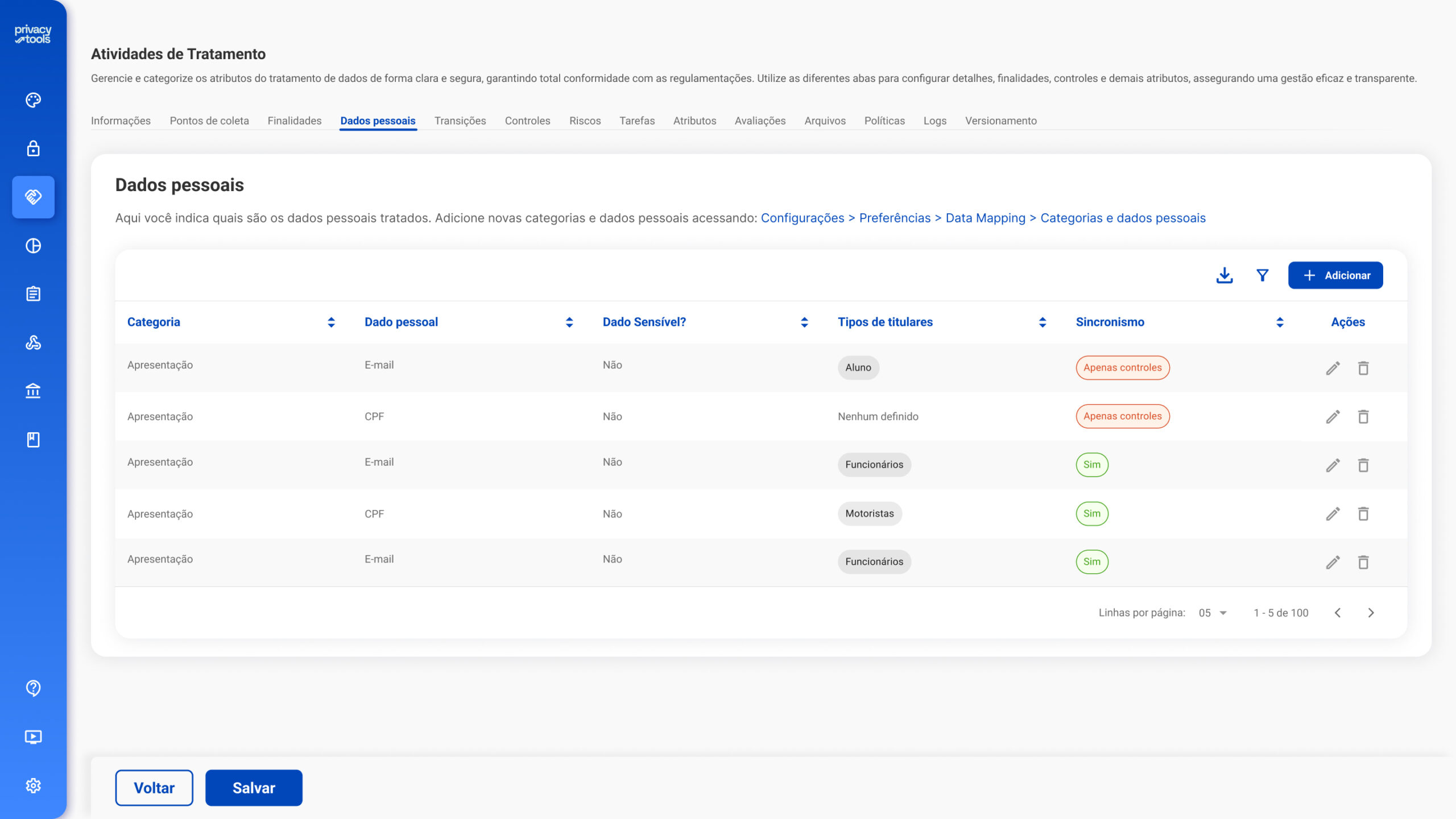
Data Mapping is the module of Privacy Tools which inventories the organization's personal data and generates the record of data processing activities (ROPA) required by the LGPD and the GDPR.
Map and manage the lifecycle of personal data and record your organization's data processing activities (ROPA) with clarity, automation, and compliance.
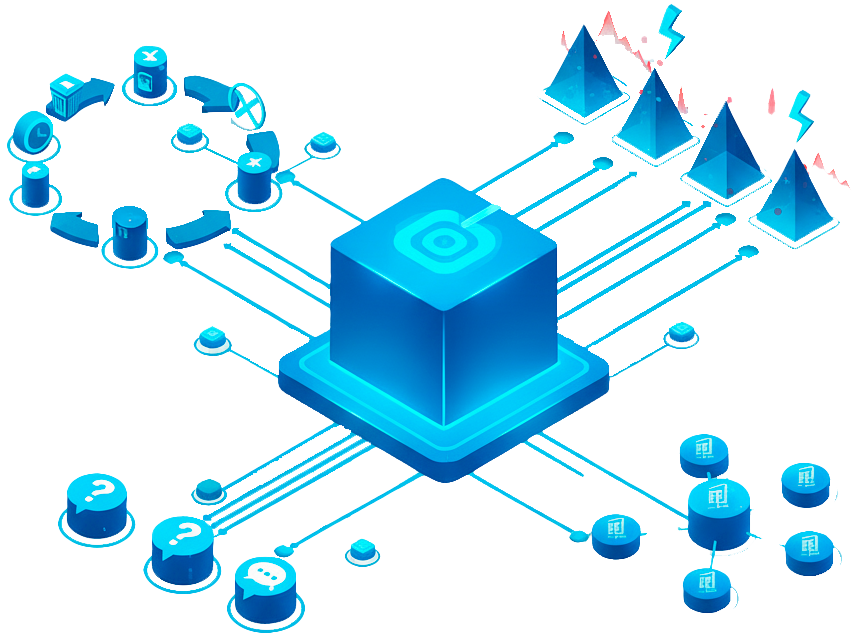
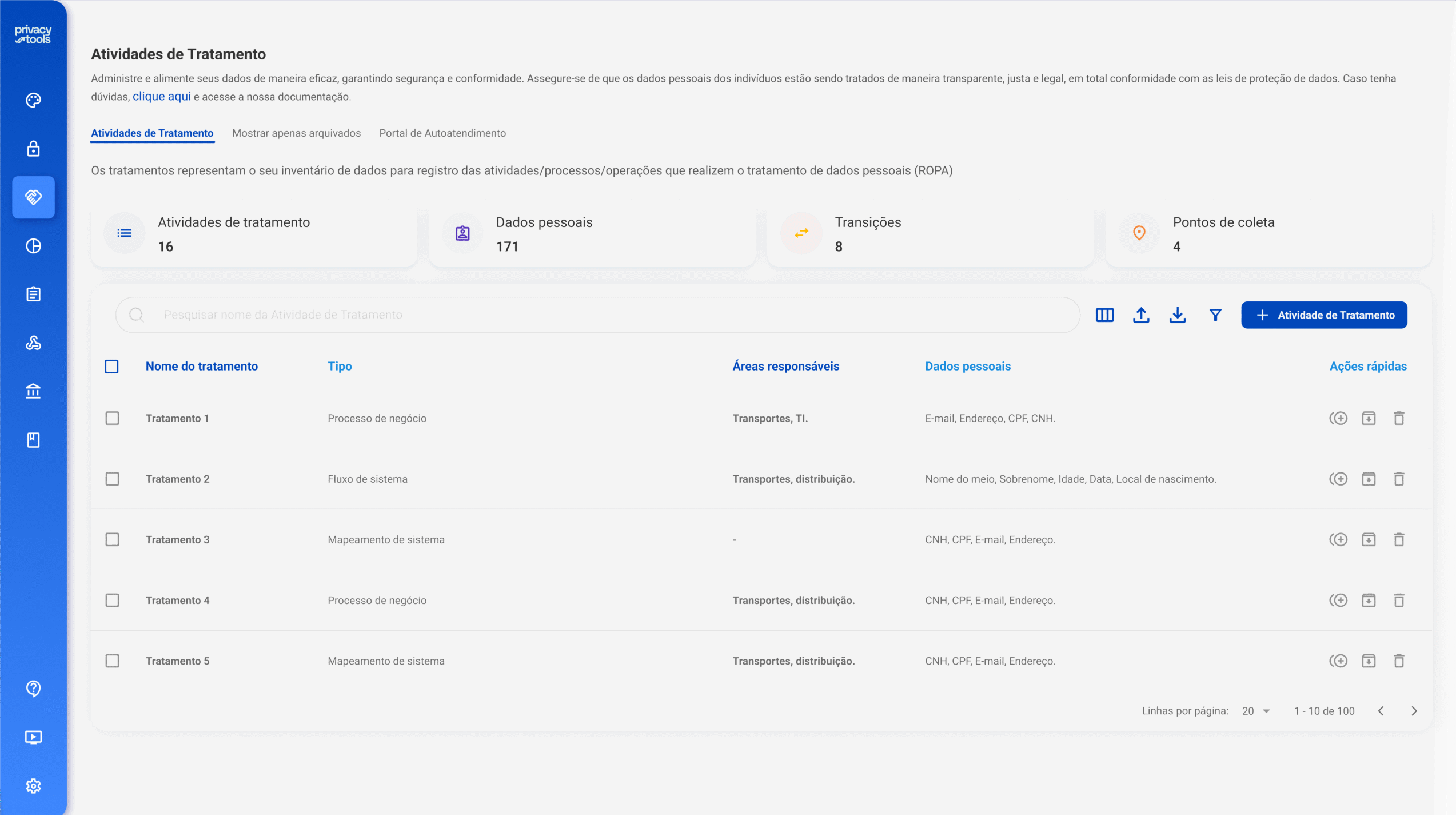
Data mapping is essential for any privacy program. It allows you to identify the lifecycle of personal data, the risks associated with each processing activity, the suppliers involved, and the purposes of collection.
In addition to meeting regulatory requirements such as LGPD e GDPRData Mapping enables the creation and maintenance of the ROPA (Register of Treatment Activities) in a practical and traceable way, facilitating risk visualization, impact report generation, and preparing your operation for audits and inspections.
Explore the features that make this solution complete, practical, and efficient.

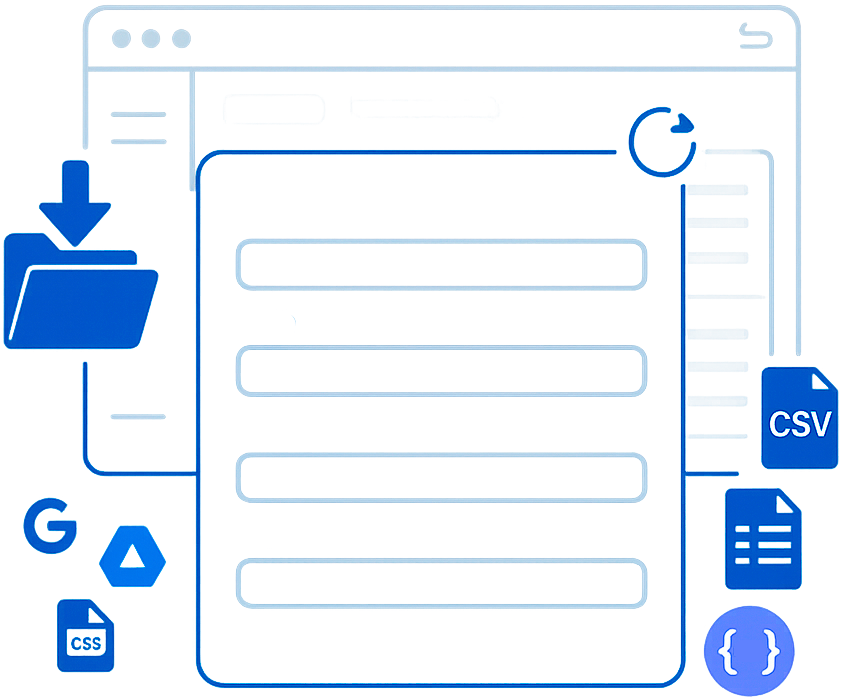
Import your mappings created in Excel or other formats, and we'll automatically convert them to the platform in an organized and traceable way.
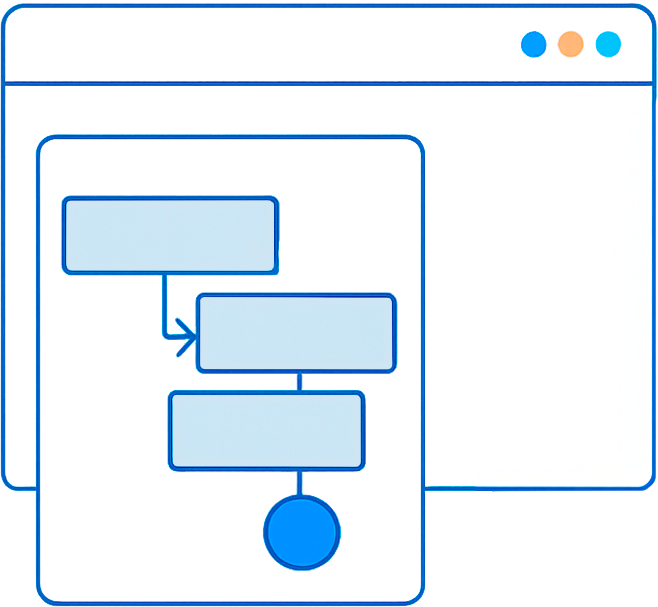
Create tasks for your privacy team, assign responsibilities for each activity, set update deadlines, and validate processes in a structured way, using Kanban boards and dashboard visualization.
Create customized impact reports directly on the platform, ready for presentation in audits or requests from authorities.
Register, categorize, and monitor risks related to treatment activities, suppliers, and assets, with integrated action plans.
Utilize frameworks such as LGPD, GDPR, ISO, and NIST in your risk program, or import your own standards and controls for audits.
Conduct privacy diagnostics and assessments of suppliers, with a clear view of their maturity level and the ability to send customized questionnaires.
Robust API with OAuth2 authentication for developers to automate data mapping. Native integration with Data Discovery and Excel spreadsheets.
Use the Data Mapping Module along with Data Discovery to discover new assets and continuously monitor existing data assets to check for changes and updates related to personal data governance.
A Privacy Tools It centralizes your data mapping in a single environment.

Data mapping is the starting point for any privacy program and, therefore, serves organizations of all sizes and sectors: from companies beginning compliance and needing a reliable inventory to groups with dozens of units, hundreds of systems, and outdated spreadsheet mapping that no longer keeps up with operations. It is used by Data Protection Officers (DPOs), privacy committees, compliance and information security departments, and, in larger organizations, by area managers responsible for their sector's activities.
Article 37 of LGPD It obliges the controller and operator to maintain a record of processing operations, and Article 38 allows the ANPD (National Data Protection Authority) to determine the preparation of a data impact assessment report (RIPD). Article 6 requires purpose, adequacy, and necessity in each processing operation, and Article 50 deals with the privacy governance program. GDPRArticle 30 defines the registration of activities (ROPA) and Article 35 the impact assessment (DPIA).
Data Mapping is the core to which the other modules are linked: the Risk management links risks to mapped activities, Diagnostics They relate evaluations to areas and suppliers, to Incident Management identifies which activities and data were affected by a breach, the DSAR knows where to look for a data subject's information and the Business Intelligence It presents the evolution of the inventory. The integration API allows feeding the mapping from internal systems.
O Sicoob Central Crediminas imported 16 customized processes and integrated 1.500 users via API. EletrobrasThe DPO highlights "more detailed mapping of processing activities" and improved response to data subjects. Banese, FIEMG, D'Or Network e Mills They also use Data Mapping as the basis of the program. To understand the concept, read What is data mapping? e the data mapping guide.
Yes. You can generate impact reports and evidence on treatment activities to meet regulatory oversight or internal audit requirements.
No. You can import your existing spreadsheet mappings, ensuring continuity and traceability.
Yes. The tool allows you to distribute responsibilities by area or activity, defining deadlines and validation workflows to keep the data up to date.
Yes. You can register, categorize, and track risks, linking them to action plans and viewing their status on dashboards.
Yes. It is possible to send privacy assessments to suppliers and monitor the maturity level of each partner regarding data protection.
Yes. The module integrates into the ecosystem. Privacy Tools, enhancing your privacy program with traceability and automation.
To compare the types of tools on the market, see the guide to... best tools for LGPD.
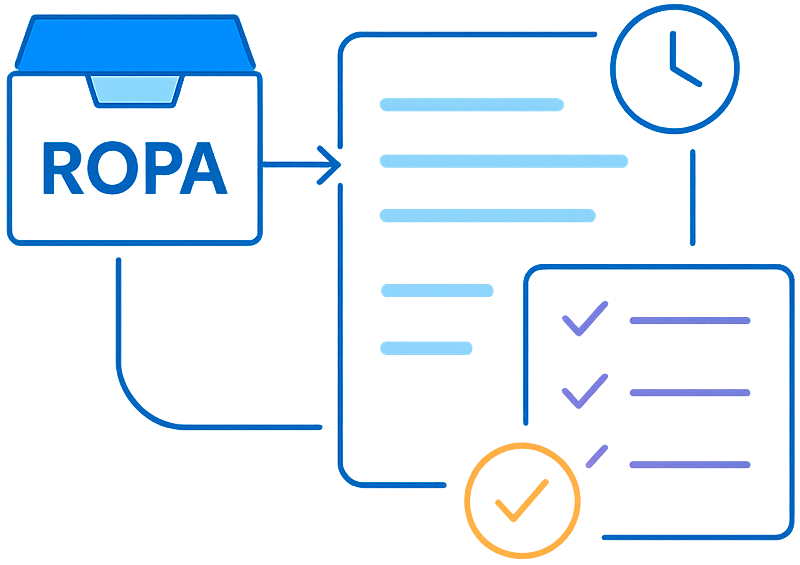
Data Mapping is the module that inventories data processing activities with all their attributes. The ROPA (Register of Data Processing Operations) is the document required by Article 37 of the LGPD (Brazilian General Data Protection Law), generated from this inventory. One feeds into the other.
Those who already have spreadsheets can import the mapping and obtain the structured record immediately after data validation. Those starting from scratch distribute the activities by area using workflows; the timeframe depends on the number of areas and systems, and the Guided Implementation of Privacy Tools I support this timeline.
Yes. The generation of impact reports (DPIA/RIPD) uses the activities, data, risks, and measures already registered, producing a document ready for audits or for the authority.
With workflows: each activity has an assigned person and a review deadline, and tasks appear on Kanban boards and dashboards. Data Discovery, in turn, points out data and systems that emerged after the initial mapping.
Yes. Activities can be associated with reference standards and frameworks, such as LGPD, GDPR, and ISO, and reports follow the fields required by Article 30 of the GDPR and Article 37 of the LGPD.
Schedule a demo and see how... Privacy Tools It can strengthen your privacy program in a practical and scalable way.