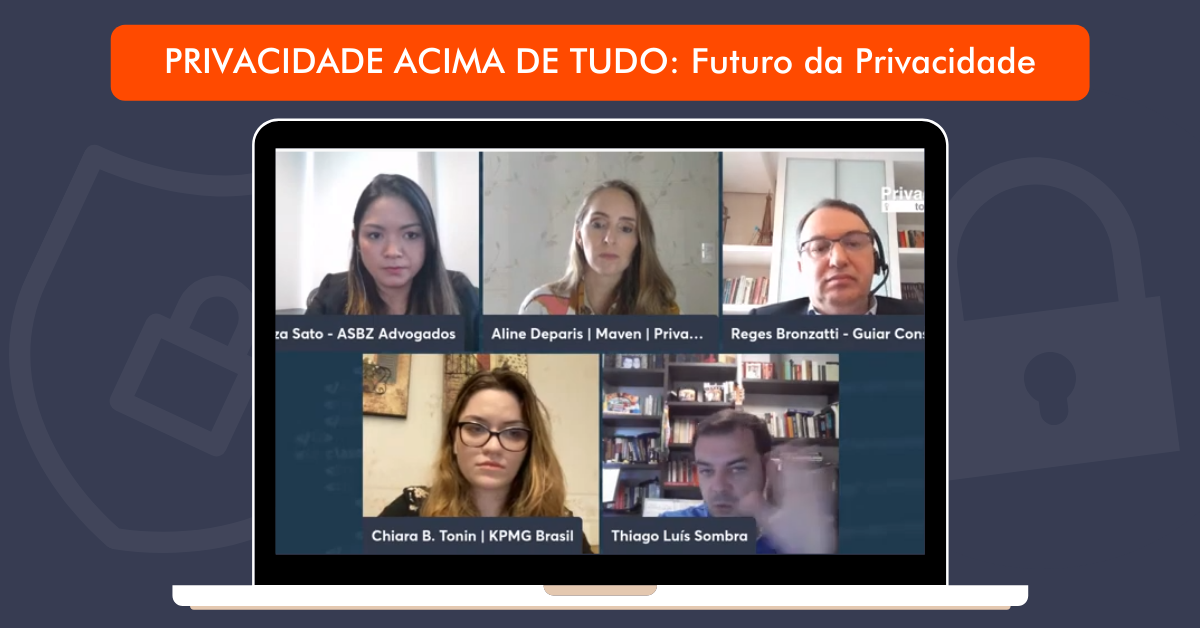
O ano de 2021 foi marcado por diversas questões, como pandemia, vacinação, questões políticas e no meio disso tudo, privacidade e proteção de dados. Foi também o ano que marcou o início das sanções decorrentes da LGPD e representou uma corrida contra o tempo, por parte das empresas, para estar em compliance com a lei. Mas o que o futuro nos reserva?
A Privacy Tools em seu último evento online, abordou o tema “Futuro da Privacidade”.
Evento esse que ocorreu no dia 07/12 e foi apresentado por Aline Deparis (Privacy Tools) e teve como convidados Reges Bronzatti (Guiar Consultoria), Luiza Sato (ASBZ Advogados), Chiara Tonin (KPMG) e Thiago Sombra (Mattos Filho).
Expectativa para as normas sobre pequenas empresas
Luiza Sato inicia com uma palestra sobre os eventos marcantes do cenário LGPD, desde os impactos das novas regulamentações no mundo, golpes dados via Whatsapp, PIX, até questões que envolvem as formas de implementar a lei nas empresas brasileiras.
Ela cita o seguinte: “A gente tá aqui louco para receber, espero que bastante em breve, essa resolução, sobre a proteção de dados e privacidade para pequenas e médias empresas, Startups, e pessoas físicas que tratam dados pessoais com fins econômicos, a gente espera que isso vá sair em breve. A norma sobre a dosimetria das sanções, isso é bastante importante também pra gente ter ali, uma segurança jurídica na aplicação das sanções administrativas…”
O que esperar para 2022
Aline inicia a conversa questionando Luiza sobre a importância da ANDP e do governo no controle e disseminação da LGPD e sobre a responsabilidade dos envolvidos no processo e Luiza fala sobre a importância da cooperação de todos os envolvidos na empresa e de como seria interessante que fossem implementadas ações com foco nos acertos, de forma a incentivar as boas práticas.
“Que interessante seria também se a gente começasse a ter uma visão de incentivar o bom, em vez de simplesmente punir o mal, e que legal que isso ia ser dentro das empresas também. Então a gente mudar esta mentalidade de sancionatório, de punir ruim, e a gente tentar favorecer com que o bem valha a pena. E eu acho que isso é muito importante dentro dessa conscientização dentro das empresas, inclusive também papel do governo tentar montar uma estrutura para a gente tentar incentivar o bem fazer com que a privacidade e a proteção de dados floresça de uma forma genuína, de uma forma positiva”, afirma Luiza.
Seguindo o cronograma do bate papo, Aline questiona Chiara sobre o que ela considera importante a ser destacado e quais as expectativas para 2022. Chiara então fala sobre a importância de a empresa nomear um DPO e fala sobre as expectativas do setor para o ano que inicia.
“Com relação à expectativa sobre a autuação mesmo da autoridade, vale a pena a gente ressaltar o viés educativo que a ANPD tem colocado em todas as discussões, todas as entrevistas, todos os momentos de debate que a gente teve com o pessoal, sempre olhando para o viés cultural, educativo. Então a gente tem um planejamento, o próprio regulamento da fiscalização, colocando as etapas de aplicação de sanções, o pedido de um planejamento, a cobrança sobre esse planejamento…”.
Aline então segue o assunto questionando Thiago sobre como as pessoas têm evoluído seu conhecimento sobre o assunto, e sobre a criação de políticas públicas destinadas a isso, e ele fala que conscientizar as empresas da importância do assunto não é algo que acontece de um dia para o outro.
“O Brasil chegou atrás nesse debate. Chegou atrás porque nós temos leis e todo um desenvolvimento cultural em outros países, de muitos anos atrás. Não vão conseguir corrigir todo esse processo em um ano ou dois anos. Esse é um processo que toma tempo, toma uma necessidade de envolvimento não só de autoridades públicas, mas especialmente das próprias empresas, mas também dos empregadores”.
Evolução Tecnológica e Privacidade
Seguindo a conversa, Reges fala sobre evolução tecnológica e a sua relação com a privacidade e finaliza: “Basicamente Inteligência Artificial, NFT, metaverso, vão nos demandar uma série de novas regulações que vão se conectar a GDPR, LGPD e outras legislações, que vão nos dar algum norte para tentar lidar com os paradoxos.
Os paradoxos que o ser humano criou, porque o ser humano, ele cria esses paradoxos baseado nos seus preconceitos. O ser humano é cheio de preconceitos.
E aí, quando ele leva esse preconceito pro digital, é que nós temos um problema, porque quando escuta alguém dizer que ele não tem dados e que ele não precisa da LGPD, isso é um preconceito.
Ele é um preconceito com o próprio negócio dele, porque ele não sabe como o próprio negócio dele funciona, ele não sabe como ele conquista clientes, ele não sabe como é que ele fecha uma transação”.
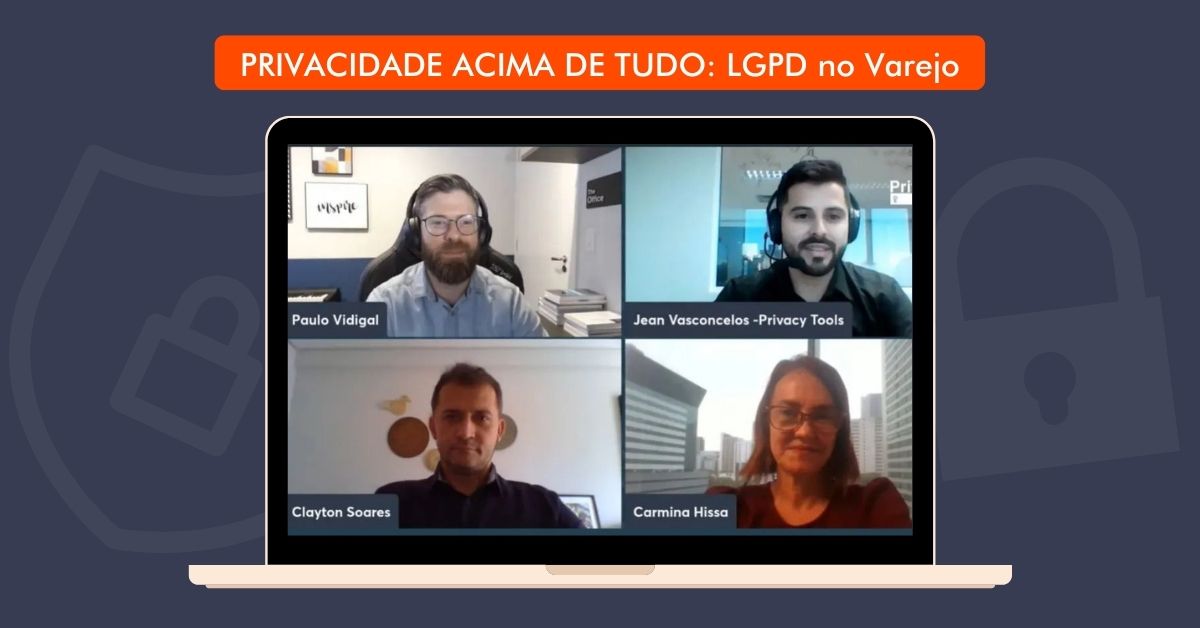
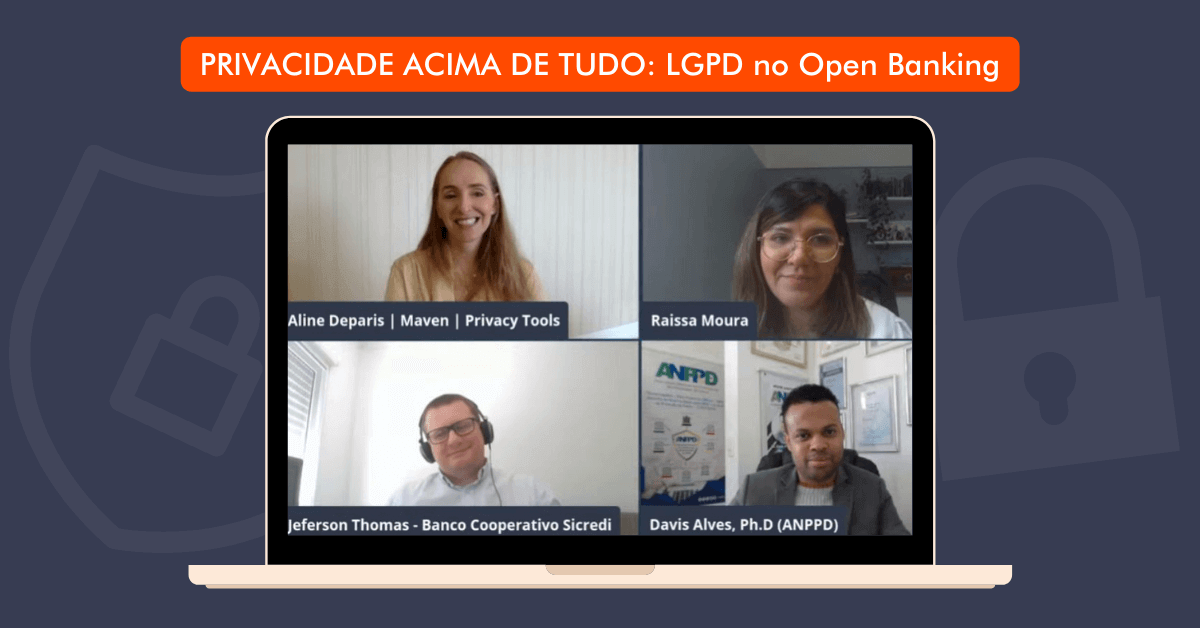
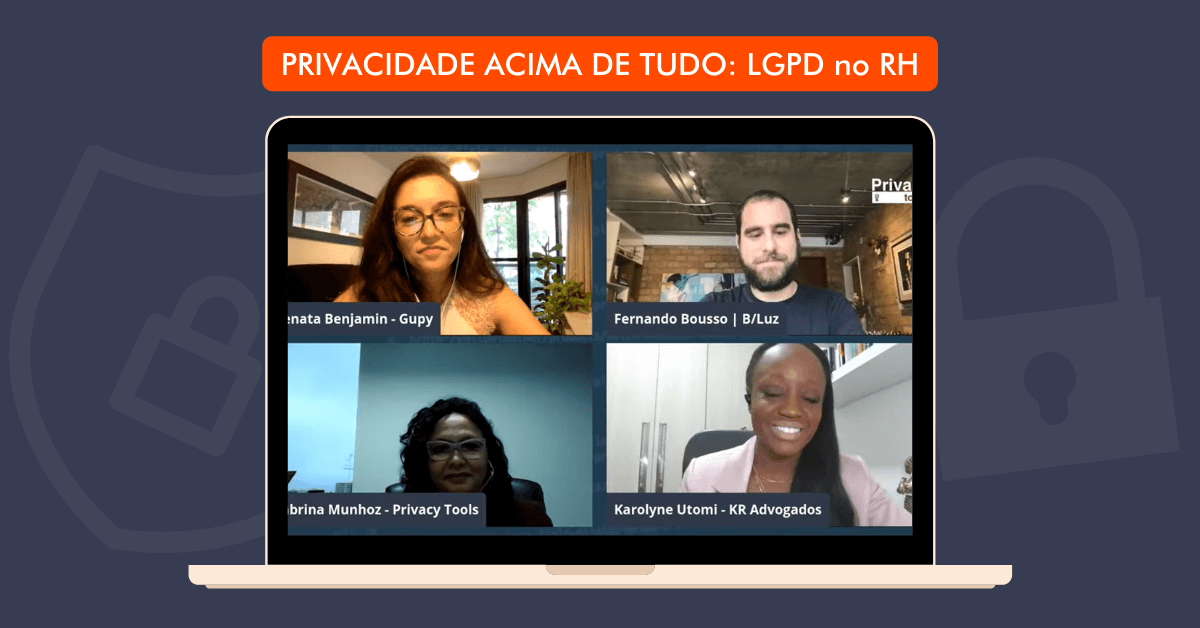
Confira todos os eventos
Todas as transmissões anteriores, assim como “Futuro da privacidade” na íntegra, estão disponíveis no canal do Youtube da Privacy Tools.