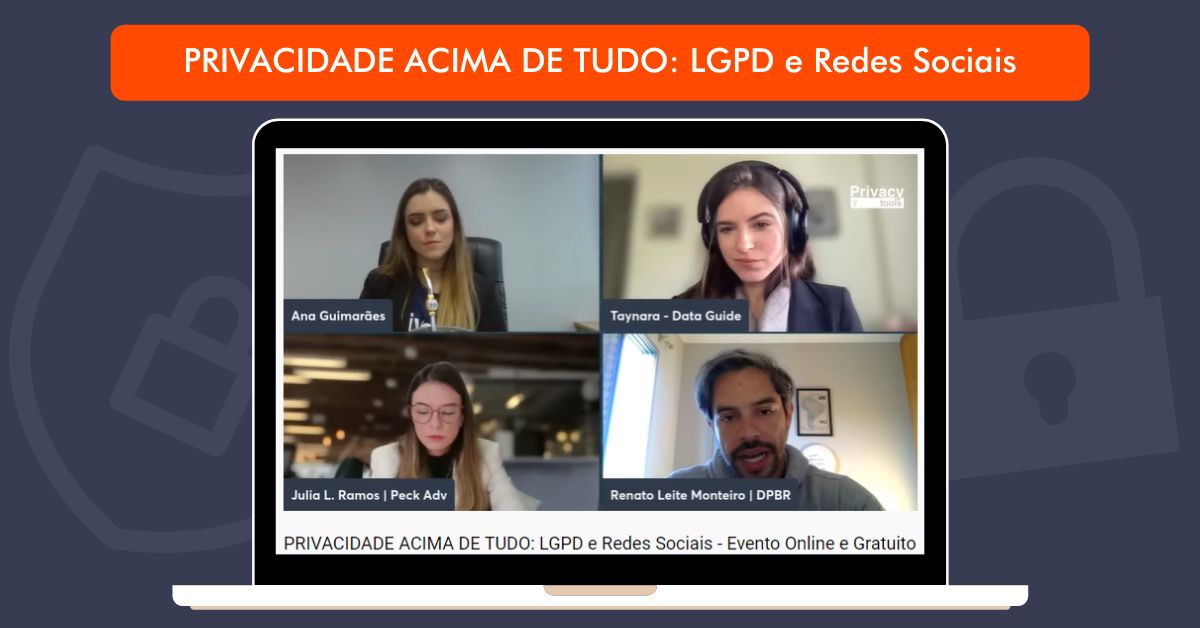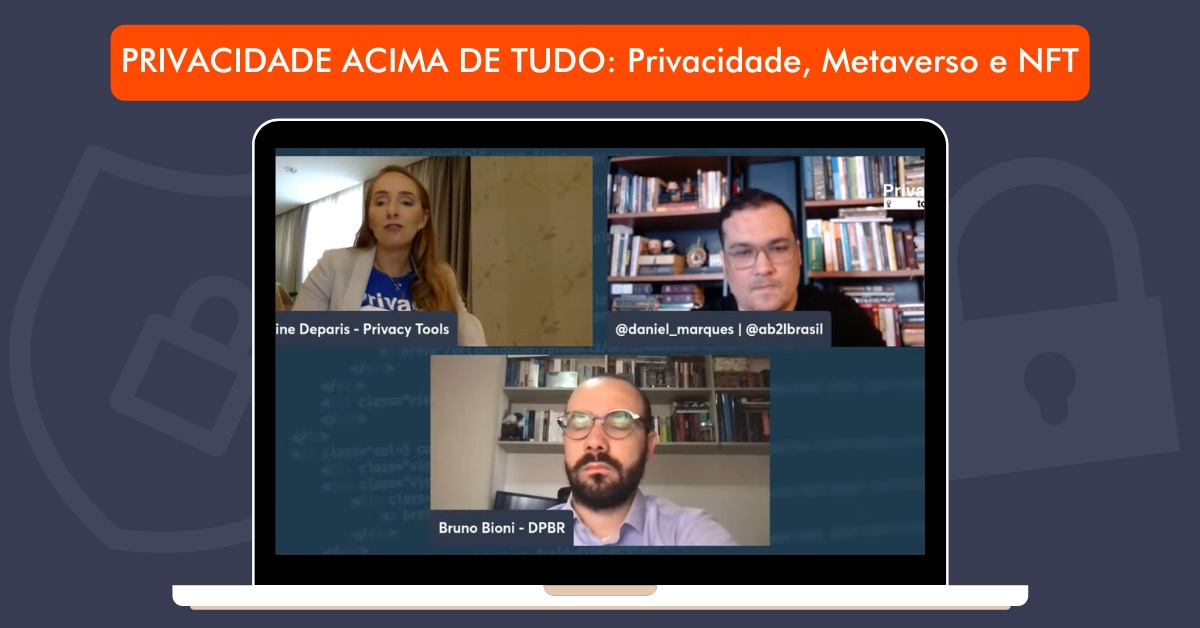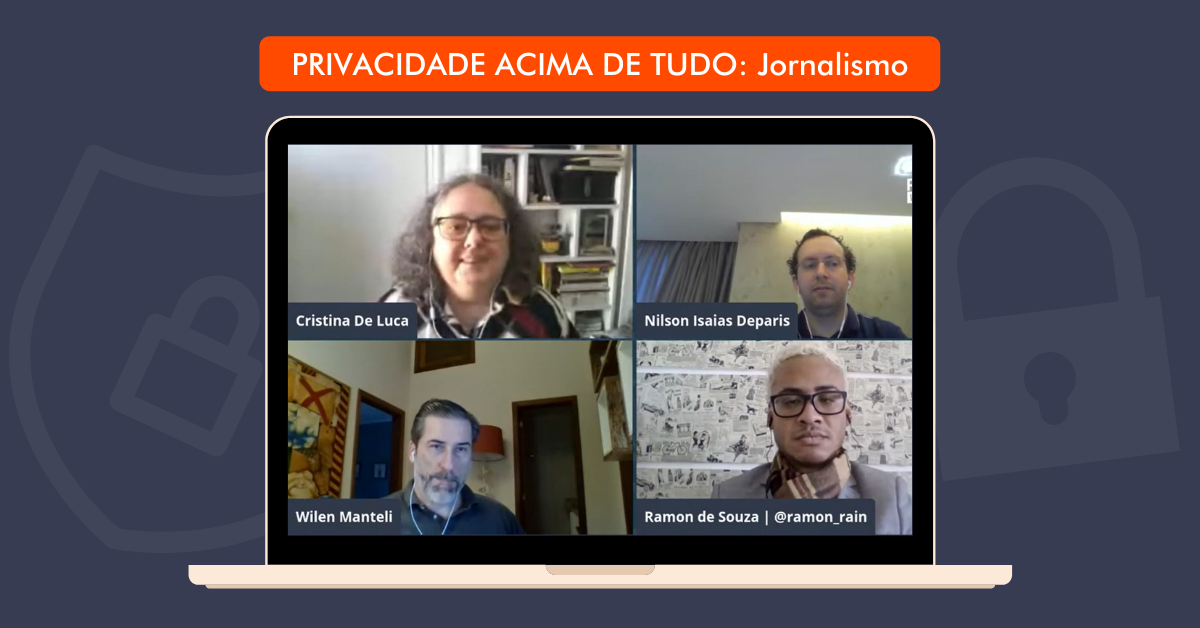
No dia 10 de agosto, ocorreu pelo Youtube a transmissão do evento “LGPD e Jornalismo”, promovido pela Privacy Tools. Ele fez parte da série de lives “Privacidade Acima de Tudo”, que iniciou há alguns meses no canal da startup.
O evento contou com os convidados Cristina de Luca (The Shift), Ramon Souza (The Hack) e Wilen Manteli (Grupo RBS). O bate-papo foi comandado por Nilson Deparis, da Privacy Tools.
Confira os principais destaques:
Interesse público ou não?
A nova lei não se aplica aos jornalistas quando ela pode ser um empecilho à liberdade de expressão. Ou seja, os dados utilizados em matérias jornalísticas podem ser tratados, porém os veículos de comunicação precisam se adequar à LGPD em seus diversos setores além da redação.
“A lei não se aplica às informações que são consideradas de interesse público. Mas o interesse público é um conceito bastante amplo”, comentou no evento Cristina de Luca. A comunicadora deu o exemplo da cobertura dos Jogos Olímpicos. Normalmente não são ditas informações como peso e altura dos entrevistados, mas no contexto dos jogos essa informação é importante na cobertura.
Segurança da Informação é uma editoria nova no Brasil
Ramon Souza reforçou que em nosso país ainda é novidade falar sobre cibersegurança e privacidade nos veículos jornalísticos. Ele comentou que nos Estados Unidos o movimento começou antes, com criadores de conteúdo especializados.
“O objetivo desse tipo de jornalismo é falar de coisas que impactem os usuários e as empresas, como novas ameaças, golpes cibernéticos, fraudes, riscos corporativos, novas soluções, novas técnicas de defesa”, explicou Ramon.
O jornalista ainda pontuou o papel do jornalismo na fiscalização. Além dos órgãos responsáveis, que aplicam as multas da LGPD, os veículos de comunicação fazem sua parte ao dar espaço para o assunto e noticiar incidentes. De acordo com ele, o jornalismo nessa área “deixa o cidadão bem munido e inteirado de seus direitos”.
Compliance como vantagem
De acordo com Manteli, é preciso haver um equilíbrio entre todos os stakeholders no processo de compliance. Processo que, ele recorda, tem início, mas não tem hora para acabar: é preciso que a adequação seja constante.
Ele ainda reforça que o processo de compliance é influenciado por diversos fatores, sejam instituições internacionais, a própria sociedade e os valores da empresa. Além disso, a adequação se torna uma vantagem competitiva. “Se eu tiver um compliance, vou agregar valor à minha imagem, meu produto, meu serviço. Então sempre vai representar um desafio de conciliar interesses”.
Respeitar o interesse do leitor
Cristina falou no evento sobre sua experiência com a criação de newsletters. Para que elas sejam sustentáveis financeiramente, é criado um modelo de patrocínio, em que as marcas aproveitam a audiência para divulgarem seus produtos e serviços.
Quando a pessoa se inscreve para receber as newsletters, porém, é fundamental obter o consentimento antes de repassar seu e-mail aos anunciantes. Caso o leitor opte por não receber publicidade, seu contato não deve ser repassado a terceiros, sendo exclusivo para envio da própria newsletter.
Confira na íntegra: