Contar com uma ferramenta de gestão de privacidade como a Privacy Tools para apoiar no dia-a-dia do DPO, é uma necessidade indispensável.
A figura do DPO ou Encarregado pelo Tratamento de Dados Pessoais, no contexto da LGPD, é uma figura central para as organizações. Nesse sentido, a cada dia, o DPO enfrenta um conjunto crescente de responsabilidades, desde o monitoramento da conformidade com a legislação até o atendimento direto às solicitações dos titulares de dados.
Privacy Tools: O suporte no dia-a-dia
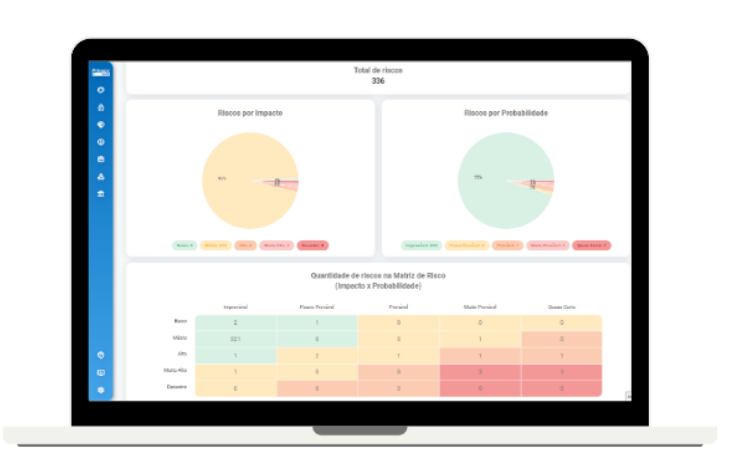
Uma ferramenta adequada de gestão de privacidade atua como um braço direito do DPO, oferecendo um painel centralizado que reflete a situação da privacidade da organização em tempo real. Dessa forma, facilita o monitoramento, rastreamento e a resposta a questões de privacidade de maneira proativa.
Com a ferramenta Privacy Tools, o DPO pode:
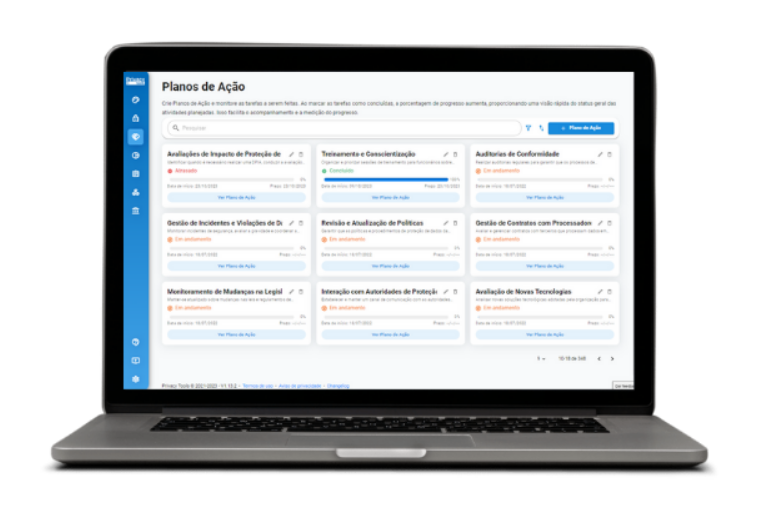
1. Priorizar tarefas:
Identificar rapidamente áreas de maior risco ou necessidade de intervenção, alocando recursos e tempo de maneira mais eficaz.
2. Automatizar processos:
Muitas tarefas relacionadas à privacidade, como registro de consentimentos ou resposta a solicitações de titulares, podem ser parcial ou totalmente automatizadas, liberando o DPO para se concentrar em questões estratégicas.
3. Gerar relatórios:
Em uma era de fiscalização e demanda por transparência, a capacidade de gerar relatórios detalhados sobre práticas de privacidade é essencial. Isso ajuda não apenas em auditorias, mas também em demonstrar proatividade e responsabilidade aos stakeholders.
4. Facilitar a comunicação:
A ferramenta pode servir como um ponto central de comunicação entre diferentes departamentos da organização, garantindo que todos estejam alinhados quanto às práticas e políticas de privacidade.
Módulos da ferramenta como exemplos práticos de apoio
Para ilustrar como a ferramenta de gerenciamento de privacidade da Privacy Tools pode apoiar o DPO, vejamos alguns módulos da ferramenta que exemplificam isso na prática:
- Mapeamento de Dados (Data Mapping): Este módulo ajuda a visualizar o ciclo de vida dos dados, facilitando assim, a identificação de brechas e a implementação de medidas corretivas.
- Pedidos dos Titulares (DSAR): A ferramenta permite criar fluxos de trabalho para responder eficientemente às solicitações, garantindo dessa forma, que nenhum pedido fique sem resposta.
- Gestão dos Consentimentos: Através de um painel, o DPO pode ver quais consentimentos estão ativos, quais foram recusados e quando precisam ser renovados.
- Gerenciamento de Políticas: É possível manter todas as políticas em um local centralizado, facilitando assim, a revisão, atualização e distribuição entre os membros da organização.
- Data Discovery: Realize varreduras automáticas para encontrar dados pessoais não catalogados ou armazenados em locais inadequados, reduzindo assim, os riscos de não conformidade.
Em suma, a Privacy Tools oferece soluções práticas para apoiar o DPO em suas atividades diárias, garantindo que a privacidade seja gerenciada de forma eficiente e conforme a legislação.