A tecnologia tem avançado em ritmo sem precedentes, trazendo consigo benefícios inegáveis para a humanidade. De diagnósticos médicos mais precisos a melhorias na qualidade de vida, inovações tecnológicas têm o potencial de transformar positivamente nossa sociedade. No entanto, junto com essas oportunidades, surgem desafios éticos profundos, especialmente quando adentramos o território da neurotecnologia combinada com inteligência artificial. Esses desafios tornam-se ainda mais críticos em um mundo hiperconectado, em rede, com riscos gigantescos às liberdades, a exemplo do que já ocorre com os dados pessoais, todavia em escala ainda maior.
Isso porque a inteligência artificial (IA) tem sido uma aliada poderosa em diversas áreas. Por exemplo, um estudo recente utilizou IA para diagnosticar câncer de pele com uma taxa de acerto superior a 92% dos casos analisados. Essa precisão oferece esperança para milhões de pacientes em todo o mundo.
Contudo, a mesma tecnologia que salva vidas pode ser usada para fins menos nobres. A criação de imagens e textos falsos por IA tem alimentado a disseminação de desinformação, impactando negativamente economias, reputações pessoais e até mesmo a integridade de sistemas democráticos. Áudios falsos e deepfakes são exemplos de como a IA pode ser instrumentalizada para manipular a percepção pública.
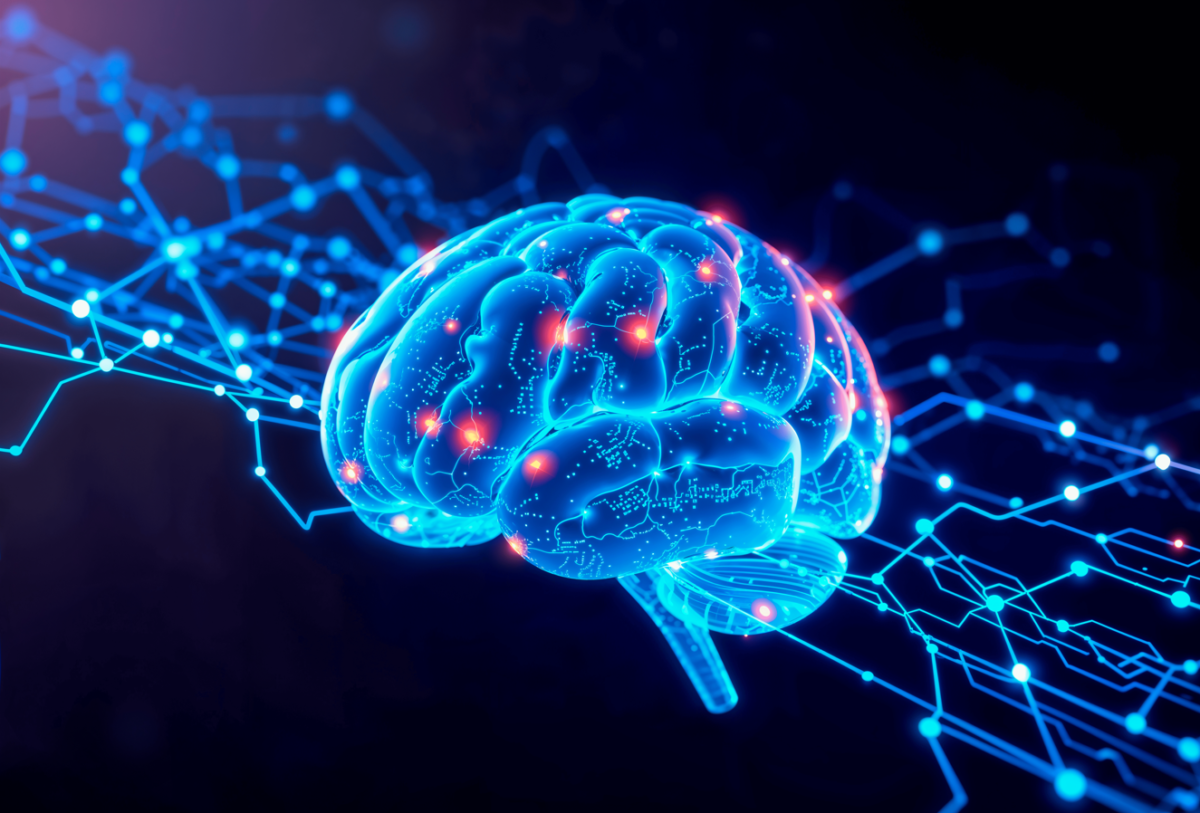
Imagine-se, então, uma interface direta entre o cérebro humano e computadores, conectados com ferramentas de IA, em que pensamentos possam ser lidos, influenciados ou até mesmo modificados. Embora pareça ficção científica, empresas como a Neuralink, fazem disso uma realidade, tanto que, recentemente, a empresa anunciou que um paciente com um chip no cérebro conseguiu mover um cursor de mouse apenas com a mente, trazendo esperança para pessoas com deficiências motoras, permitindo-lhes interagir com o mundo.

A ética da mente
Inquietantes questões relativas à proteção dos dados pessoais, neurais, à identidade e à autonomia dos pensamentos acessados e manipulados surgem e como garantir que essa tecnologia não seja usada para controlar ou influenciar indevidamente os indivíduos, surgem.
Diante desses desafios, ganha ênfase, portanto, o conceito de “neurodireitos”, na condição de princípios éticos e legais destinados a proteger o domínio cerebral e mental dos indivíduos. Rafael Yuste, neurocientista da Universidade de Columbia, é um dos principais ícones da área, chamando atenção sobre a identidade pessoal, como o direito de manter o senso de si mesmo, sem alterações impostas por tecnologias externas. Além disso, também aborda assuntos como o livre arbítrio e a garantia de que decisões sejam tomadas sem manipulação neurotecnológica, privacidade mental (no sentido da proteção contra o acesso não autorizado aos nossos pensamentos e atividades cerebrais), o acesso equitativo(como garantia de que os benefícios da neurotecnologia estejam disponíveis para todos, evitando a exacerbação de desigualdades sociais), e a proteção contra vieses, prevenindo a discriminação baseada em dados neurais.
Para tanto, já se percebem avanços normativos porquanto alguns países já começaram a incorporá-los em suas legislações. Na Califórnia, recentemente foi sancionado um projeto de lei que quer impedir o uso inadequado de dados neurais. O Chile também incluiu os neurodireitos em sua Constituição, já no Brasil, o Estado do Rio Grande do Sul, ao promulgar a Emenda Constitucional nº 85/2023, reconhece o direito à integridade mental e protege contra manipulações decorrentes de avanços neurotecnológicos.
No cenário federal brasileiro, a Proposta de Emenda à Constituição (PEC) nº 29/2023 tramita no Senado, buscando incluir a proteção à integridade mental e à transparência algorítmica entre os direitos fundamentais.
Tem-se, pois, como desafio a regulamentação, sem que se prejudique o desenvolvimento técnico e tecnológico, da possibilidade de ler e influenciar pensamentos humanos de forma ética. Há preocupações legítimas sobre o uso dessas tecnologias para criar “super-humanos” ou para manipular escolhas e comportamentos sem o consentimento do indivíduo, o que poderá aprofundar desigualdades sociais e econômicas, além de ameaçar a própria essência do que nos torna humanos.
Portanto, é urgente debater e, de uma forma madura e coerente com os demais direitos fundamentais, normatizar o tema para que a neurotecnologia seja adotada. Dessa forma, pessoas poderão superar limitações físicas ou mentais, sem que outras se mantenham ainda mais marginalizadas por não terem acesso a elas, ou sofram com a manipulação remota do cérebro para fins políticos, comerciais ou outros interesses, comprometendo a liberdade de pensamento e a autonomia individual. É fundamental que governos, instituições e comunidade científica estabeleçam diretrizes claras que protejam os indivíduos sem impedir o progresso científico.
A neuroética emerge, pois, como um campo essencial para orientar essas discussões, buscando equilibrar os benefícios potenciais com os riscos associados. A proteção dos neurodireitos deve ser vista como uma extensão dos direitos fundamentais, porquanto seu reconhecimento e proteção são passos essenciais nessa jornada, assegurando que a tecnologia sirva para o bem comum e respeite os valores fundamentais que nos definem como humanos.
Além dos neurodireitos, outros direitos que devem ser respeitados são os dos eleitores. Leia mais no texto de Newton Moraes sobre eleições seguras.