Durante o auge do coronavírus na China, a resposta rápida das autoridades levaram ao uso de aplicativos instalados nos celulares dos cidadãos. O objetivo era identificar e isolar aquelas pessoas que pudessem estar espalhando o vírus. Atualmente, as estatísticas oficiais do país sugerem que o pico da epidemia já passou por lá. Os aplicativos de monitoramento do governo, porém, não saíram de uso. Ao passo do governo estar estudando maneiras para que os aplicativos venham a se tornar permanente na vida cotidiana.
Com o histórico chinês misto entre manter as informações pessoais protegidas contra hackers e vazamentos, apesar da tecnologia ter se mostrado, sem dúvida, útil para ajudar muitos trabalhadores e empregadores no retorno às suas vidas, o que vem levantando preocupações é a forma que o uso desses aplicativos pode vir a se tornar invasivo e desrespeitar a privacidade de todos.
As autoridades adotaram uma visão abrangente do uso de ferramentas de vigilância de alta tecnologia em nome do bem-estar público. O software de rastreamento de vírus do governo está coletando informações de pessoas em centenas de cidades em todo país, incluindo dados de localização. Poucos limites sobre como esse dados podem ser usados foram estabelecidas pelas autoridades. E agora, na esperança do software continuar sendo usado como mais do que uma medida de emergência, as autoridades vêm carregando seus aplicativos com novos recursos.
De acordo com um anúncio oficial, Zhou Jiangyong, secretário do Partido Comunista do centro de tecnologia oriental de Hangzhou, declarou que o aplicativo da cidade deveria ser um “guardião íntimo da saúde” para os moradores, que é usado com frequência e “amado tanto que você não pode suportar se separar”.
“A prevenção e controle de epidemias precisam do apoio da tecnologia de big data, mas isso não significa que agências e indivíduos possam coletar aleatoriamente informações dos cidadãos, emprestando o nome de prevenção e controle”, Li Sihui, pesquisador da Universidade de Ciência e Tecnologia de Huazhong em Wuhan, escreveu em um comentário.
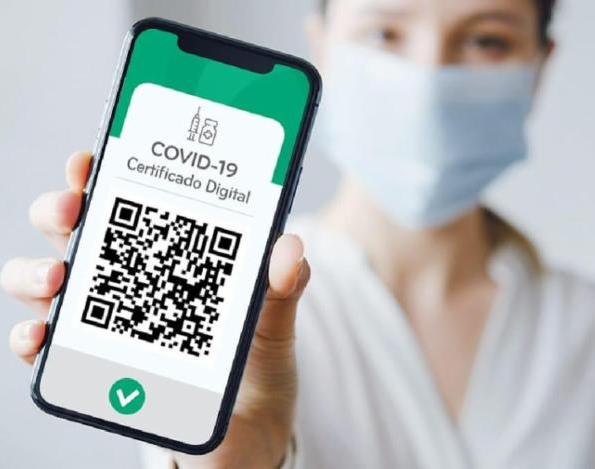
As pessoas na China se inscrevem no sistema de rastreamento de vírus enviando suas informações pessoais, viagens recentes e status de saúde em um dos vários aplicativos. O software usa esses e outros dados para atribuir um código de cores – verde, amarelo ou vermelho – que indica se o detentor é um risco de infecção. Nas entradas de metrôs, escritórios e shoppings, fiscais proíbem o acesso de qualquer pessoa que não possua código verde.
A forma como são definidas as cores do código de alguém, porém, nunca foi explicada em detalhes. Algo que causa confusão entre as pessoas que não entendem o motivo de receber código amarelo ou vermelho.
Em Hangzhou, onde o sistema foi pioneiro, as autoridades estão explorando a expansão do código de saúde para classificar os cidadãos com um “índice de saúde pessoal”, de acordo com um post da semana passada em uma conta oficial de mídia social. Não está claro, porém, como o ranking seria usado. Entretanto, um gráfico na postagem mostra os usuários recebendo uma pontuação de 0 a 100 com base no quanto dormem, quantas passos dão, quanto fumam e bebem, além de outras métricas não especificadas.
A reação foi rápida. “Isso descaradamente viola a privacidade para vigiar e discriminar pessoas não saudáveis?” Wang Xin escreveu na plataforma social Weibo, onde tem 2,5 milhões de seguidores. “Eu sei que nesta era de big data, é tão fácil para quem controla os dados verificar e usar informações pessoais em questão de minutos”, escreveu Shen Jiake, mas o plano de Hangzhou “ultrapassa os limites”, disse ele. Robin Li, chefe do Baidu, propôs em uma reunião do principal órgão consultivo político da China que o governo crie um mecanismo para excluir informações pessoais coletadas durante a pandemia.
Lei Ruipeng, professora de bioética da Universidade de Ciência e Tecnologia de Huazhong, declarou que caso as autoridades tivessem motivos específicos para manter os dados do código de saúde após a ameaça do coronavírus passar, deveria ser feito o esclarecimento dessas razões para que fosse obtido o consentimento dos usuários. Porém, até o momento esse mecanismo ainda não se materializou.